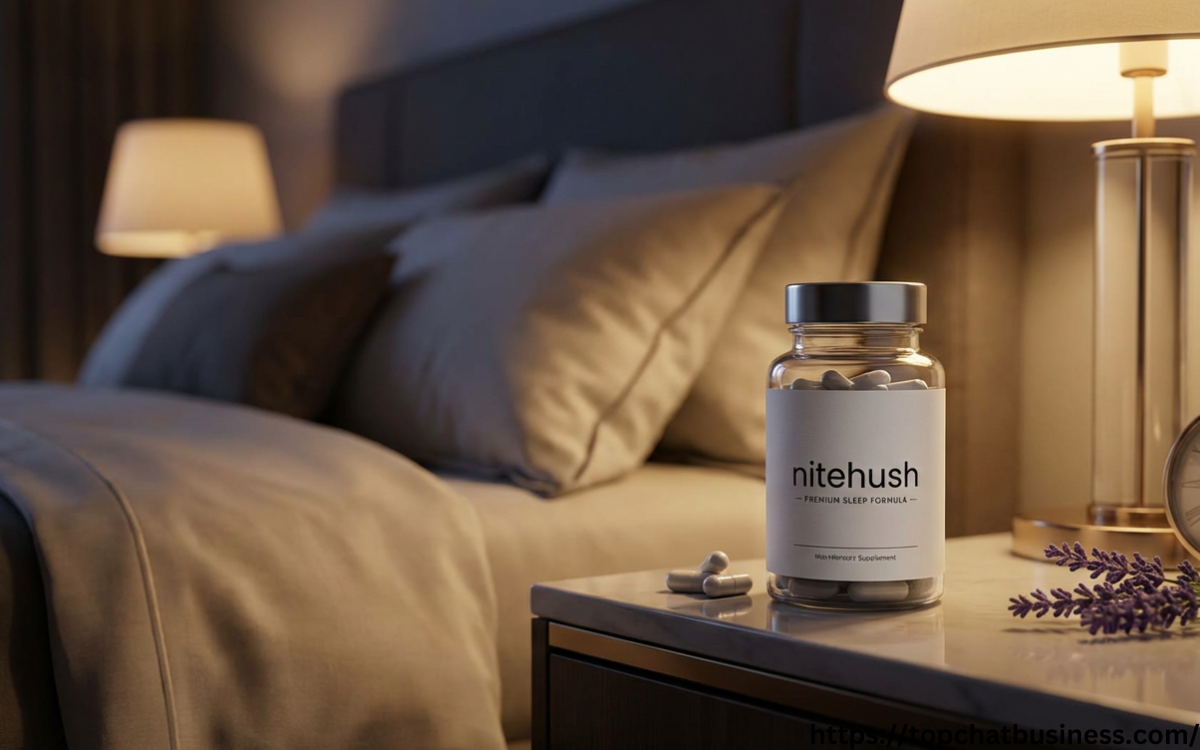
Sleep is the silent engine of human health, a complex biological process that repairs the body, consolidates memory, and regulates emotional stability. However, in our modern, hyper-connected world, the sanctity of the bedroom is under constant assault. From the low-frequency hum of urban traffic to the disruptive patterns of snoring or digital notifications, the environment in which we sleep is often far from silent. Enter Nitehush, a conceptual and technological philosophy dedicated to the mastery of the sleep environment. By prioritizing acoustic control and sensory deprivation, Nitehush represents the next frontier in the pursuit of the “perfect night’s sleep.”
The Modern Epidemic of Sleep Fragmentation
To understand the necessity of Nitehush, one must first understand the crisis of sleep fragmentation. Modern humans are sleeping less than their ancestors, but more importantly, the quality of that sleep has degraded. Sleep fragmentation occurs when brief arousals—often caused by noise—interrupt the progression of sleep cycles. Even if a person does not fully wake up, a sudden sound can shift the brain from deep, restorative REM (Rapid Eye Movement) sleep back into light Stage 1 sleep.
The consequences of this are profound. Chronic sleep disruption is linked to increased cortisol levels, weight gain, cardiovascular strain, and a significant decline in cognitive performance. Nitehush addresses these issues by creating a sanctuary where external stimuli are neutralized, allowing the brain to remain in the deep cycles necessary for cellular repair and mental clarity.
The Core Pillars of Nitehush
The Nitehush philosophy is built upon three primary pillars: Acoustic Isolation, Sensory Regulation, and Psychological Signaling.
1. Acoustic Isolation: The Power of Silence
The most immediate component of Nitehush is the management of sound. Traditional earplugs often cause discomfort or fail to block out low-frequency vibrations. Nitehush advocates for a multi-layered approach to sound. This includes the use of active noise-canceling (ANC) technology specifically tuned for the frequencies of human snoring and urban ambient noise. Unlike standard white noise machines, which simply add more sound to the room, Nitehush-inspired solutions focus on “destructive interference”—the process of canceling out sound waves before they reach the eardrum.
2. Sensory Regulation: Controlling the Micro-Environment
Silence is only half the battle. The physical environment must also support the body’s circadian rhythms. Nitehush emphasizes the “Cool, Dark, and Quiet” rule. This involves the integration of breathable, temperature-regulating materials that prevent the “micro-climate” of the bed from becoming too warm, which is a common cause of midnight wakefulness. By maintaining a steady core body temperature, Nitehush ensures that the biological triggers for sleep remain active throughout the night.
3. Psychological Signaling: The Ritual of Hushing
Beyond hardware, Nitehush is a behavioral practice. It involves a “wind-down” sequence that signals to the nervous system that the day is over. This “hushing” of the mind is achieved through the elimination of blue light and the introduction of low-frequency “pink noise,” which mimics the natural sounds of wind or rain. These sounds have been shown to increase the duration of stable sleep by synchronizing brain waves.
Read More: https://topchatbusiness.com/bestshoesevershop-exchange-process/
The Technology Behind the Silence
At the heart of the Nitehush movement is innovative engineering. Many users struggle with obstructive sleep apnea or have partners who snore—a sound that can reach up to 90 decibels (equivalent to a lawnmower). Nitehush-compliant devices often utilize ergonomic “side-sleeper” designs that allow for maximum sound blockage without putting pressure on the ear canal.
Furthermore, the integration of smart sensors allows for real-time adjustments. Imagine a system that detects a rise in ambient noise levels and automatically adjusts its output to mask the intrusion, or a pillow that gently vibrates to encourage a snorer to shift positions without fully waking them. This is the “smart” evolution of the Nitehush concept—using technology not as a distraction, but as a guardian of the sleep state.
The Psychological Impact of a “Hushed” Night
When the brain is allowed to rest without the constant vigilance required to monitor environmental noise, the psychological benefits are immediate. Users of Nitehush techniques often report a reduction in “morning brain fog” and an increased threshold for stress during the day. This is because the amygdala—the brain’s emotional center—is properly “reset” during deep sleep. Without the Nitehush effect, the amygdala remains hyper-reactive, leading to irritability and anxiety.
Moreover, Nitehush fosters a sense of agency. In a world where we have little control over the noise of our neighbors or the city, being able to “hush” our immediate surroundings provides a psychological safety net. It transforms the bedroom from a place of potential disruption into a reliable fortress of recovery.
Implementing Nitehush in Your Life
Adopting the Nitehush lifestyle does not necessarily require an overhaul of your home, but it does require intentionality. Start by auditing your sleep space for “sound leaks.” Use heavy, sound-dampening curtains to block external street noise. Invest in high-quality, hypoallergenic ear protection or specialized sleep headphones that are designed for all-night wear.
Next, focus on the “digital hush.” This means moving all screens out of the bedroom. The blue light emitted by phones suppresses melatonin production, but the “data noise”—the mental stimulation of emails and social media—is just as damaging. By silencing the digital world, you allow the Nitehush principles to take root.
The Future of Sleep Science
As we look to the future, Nitehush is poised to become a standard in wellness. We are seeing the rise of “sleep tourism” and “acoustic architecture,” where hotel rooms and homes are built with the primary goal of sound isolation. The Nitehush movement is at the forefront of this shift, advocating for a world where sleep is not treated as a luxury but as a non-negotiable human right.
The ultimate goal of Nitehush is to disappear. When the technology and the environment are perfectly synced, the sleeper is unaware of the tools at work. They simply wake up feeling refreshed, restored, and ready to meet the challenges of the day. In the silence of Nitehush, we find our greatest strength.
FAQs About Nitehush
1. What exactly is Nitehush?
Nitehush is a holistic approach to sleep quality that focuses on “silencing” environmental disruptions. It combines acoustic technology (like noise-canceling devices), sensory regulation (temperature and light control), and sleep hygiene practices to ensure uninterrupted rest.
2. How does Nitehush differ from a standard white noise machine?
While white noise machines add a consistent sound to mask other noises, Nitehush focuses on total acoustic management. This often includes active noise cancellation, sound-dampening materials, and pink or brown noise, which are more conducive to deep sleep than the high-frequency hiss of standard white noise.
3. Is Nitehush suitable for side sleepers?
Yes. One of the primary goals of Nitehush-designed products is ergonomic comfort. Specialized earplugs or headbands are designed to be low-profile, ensuring that they do not cause pain or pressure for those who prefer to sleep on their side.
4. Can Nitehush help with a snoring partner?
Absolutely. Nitehush is specifically designed to tackle the frequencies associated with snoring. By using a combination of sound isolation and frequency masking, it can significantly reduce or eliminate the disruptive impact of a partner’s snoring.
5. Why is silence so important for sleep?
Even when you are asleep, your brain continues to process sounds. Sudden noises can trigger the “fight or flight” response, causing spikes in heart rate and shifting you out of deep REM sleep. Silence allows the brain to fully descend into the most restorative stages of the sleep cycle.
6. Is it safe to wear noise-canceling devices all night?
When using products designed for sleep, such as those within the Nitehush ecosystem, it is safe. These products are built with soft, medical-grade materials and are volume-limited to protect your hearing while ensuring you remain undisturbed.
