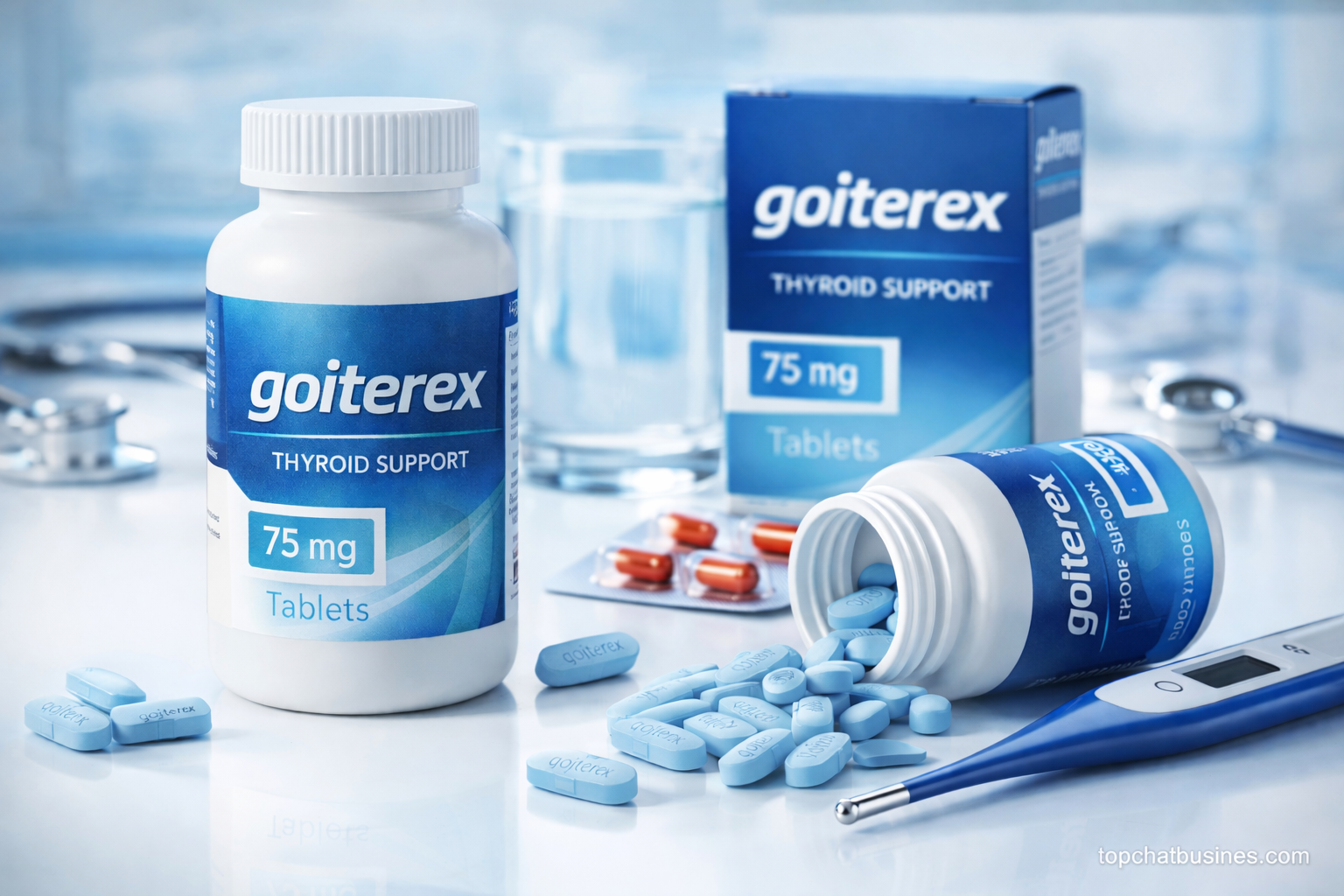
The thyroid gland, a small butterfly-shaped organ situated at the base of the neck, plays a disproportionately large role in human physiology. As the primary regulator of metabolism, it influences everything from heart rate and body temperature to the rate at which we burn calories. When this delicate system falls out of equilibrium, the results can manifest physically, most notably in the form of a goiter. In recent years, the term “Goiterex” has emerged within the wellness community as a focal point for those seeking to understand and address thyroid enlargement through nutritional intervention and lifestyle adjustments. This article explores the complexities of thyroid health, the mechanisms behind goiter formation, and the holistic strategies associated with Goiterex principles.
The Anatomy of Thyroid Dysfunction
To understand the necessity of a targeted approach like Goiterex, one must first understand the thyroid’s primary function. The gland produces two main hormones: thyroxine (T4) and triiodothyronine (T3). These hormones are responsible for signaling cells throughout the body on how much energy to consume. The production of these hormones is regulated by the pituitary gland via Thyroid Stimulating Hormone (TSH).
A goiter occurs when the thyroid gland becomes abnormally enlarged. This is not a disease in itself but rather a symptom of an underlying condition. The most common cause globally is a deficiency in iodine, a trace element essential for hormone synthesis. When the thyroid lacks the raw materials (iodine) to produce T4 and T3, the pituitary gland compensates by pumping out more TSH. This constant stimulation causes the thyroid tissue to grow in an attempt to capture more iodine, resulting in a visible swelling. In developed nations, where salt is often iodized, goiters are more frequently linked to autoimmune conditions like Hashimoto’s thyroiditis or Graves’ disease.
The Goiterex Philosophy: A Multidimensional Approach
Goiterex represents a specialized philosophy focused on restoring thyroid homeostasis. Unlike broad-spectrum multivitamins, a Goiterex-centered approach prioritizes the specific micronutrients and lifestyle shifts required to reduce glandular inflammation and support hormone conversion.
1. The Iodine Equilibrium
The cornerstone of Goiterex is the careful management of iodine levels. While iodine is necessary, the “more is better” mentality can be dangerous. Excessive iodine intake can trigger “the Wolff-Chaikoff” effect, where the thyroid temporarily shuts down hormone production, potentially worsening a goiter or triggering autoimmune flares. A Goiterex approach emphasizes obtaining iodine from clean, bioavailable sources—such as sea vegetables or standardized supplements—rather than processed table salts, which may contain anti-caking agents and lack the synergistic minerals found in nature.
2. Selenium and the Antioxidant Shield
One cannot discuss thyroid health without mentioning selenium. This mineral is found in high concentrations within the thyroid gland and acts as a powerful antioxidant. It protects the gland from oxidative stress produced during the synthesis of thyroid hormones. Furthermore, selenium is a required cofactor for the enzymes (deiodinases) that convert inactive T4 into the active T3 hormone. Without adequate selenium, the body may struggle with “hypothyroid” symptoms even if T4 levels appear normal on a lab test.
3. Addressing Goitrogens
The Goiterex framework also educates individuals on goitrogens—substances found in certain foods that can interfere with iodine uptake. Common goitrogens include cruciferous vegetables like kale, broccoli, and cabbage, as well as soy products. While these foods are incredibly healthy, for someone with an active goiter, consuming them raw and in large quantities can be counterproductive. Cooking these vegetables neutralizes most of the goitrogenic compounds, allowing the individual to enjoy the nutritional benefits without taxing the thyroid.
Identifying the Signs of Thyroid Imbalance
Recognizing the need for a Goiterex-focused regimen often begins with self-awareness. Aside from the physical swelling in the neck, which can sometimes cause a tight feeling in the throat, coughing, or difficulty swallowing, systemic symptoms are often present.
- Metabolic Slowdown: Unexplained weight gain, lethargy, and a constant feeling of being cold often point toward hypothyroidism.
- Cognitive Fog: Many individuals report a “brain fog,” characterized by difficulty concentrating or memory lapses, which occurs when the brain does not receive adequate thyroid signaling.
- Mood Fluctuations: There is a significant link between thyroid health and mental health; both anxiety and depression are common comorbidities of thyroid dysfunction.
- Skin and Hair Changes: Dry skin and thinning hair (especially at the outer edges of the eyebrows) are classic clinical signs that the thyroid requires support.
Read More: https://topchatbusiness.com/ansiwee/
Implementing the Goiterex Protocol
Adopting a Goiterex lifestyle involves more than just supplementation; it requires a systemic shift in how one approaches daily wellness.
Stress Management and Cortisol
The thyroid and the adrenal glands operate on a feedback loop known as the HPA (Hypothalamic-Pituitary-Adrenal) axis. Chronic stress leads to elevated cortisol, which inhibits the conversion of T4 to T3 and increases the production of Reverse T3 (an inactive hormone that blocks thyroid receptors). Goiterex emphasizes the integration of adaptogens—such as Ashwagandha—and mindfulness practices to lower the stress burden on the thyroid.
Gut Health and Thyroid Immunity
Approximately 20% of thyroid hormone conversion happens in the digestive tract. Furthermore, a significant portion of the immune system resides in the gut. For those whose goiters are caused by autoimmune issues (Hashimoto’s), addressing “leaky gut” or dysbiosis is critical. Eliminating inflammatory triggers like gluten and processed sugars can often lead to a reduction in thyroid antibodies and a decrease in glandular swelling.
Environmental Detoxification
Modern living exposes us to halides like fluoride, chlorine, and bromide. Because these elements are chemically similar to iodine, they can “compete” for the receptors in the thyroid gland. A Goiterex approach encourages the use of water filtration and the avoidance of brominated flours to ensure that the thyroid can absorb the iodine it actually needs.
The Path Forward: Professional Guidance
While the principles of Goiterex provide a robust framework for natural thyroid support, it is essential to approach thyroid health with professional medical oversight. Thyroid nodules and enlargements must be evaluated via ultrasound and blood panels (including TSH, Free T4, Free T3, and Thyroid Antibodies) to rule out malignancy or severe underlying pathology.
In conclusion, Goiterex is not merely a singular product or a quick fix; it is a comprehensive understanding of the thyroid’s intricate needs. By focusing on iodine balance, providing antioxidant support through selenium, managing dietary goitrogens, and reducing environmental toxins, individuals can take proactive steps toward thyroid health. The goal of a Goiterex-informed life is to foster an internal environment where the thyroid does not need to struggle or enlarge to meet the body’s metabolic demands, leading to sustained energy, mental clarity, and long-term vitality.
