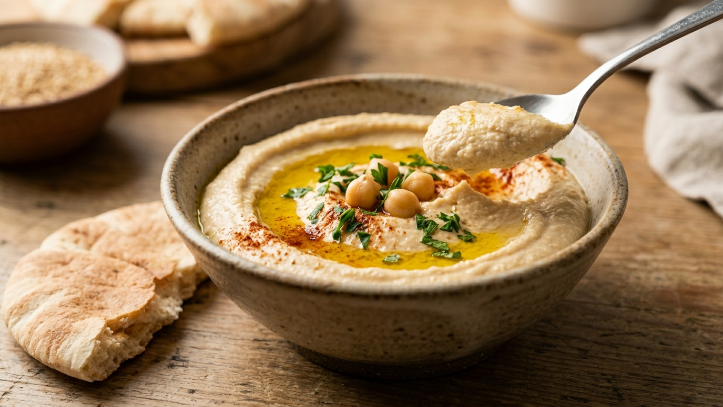
Tahini is much more than a mere condiment or a staple ingredient in hummus; it is a culinary bridge between ancient traditions and modern health-conscious diets. At its core, tahini is a smooth, luxurious paste made from toasted, ground sesame seeds. While it has been a cornerstone of Middle Eastern, Mediterranean, and North African cuisines for millennia, it has recently surged in global popularity as a “superfood.” This article explores the multifaceted world of tahini, examining its historical roots, its complex production process, its remarkable nutritional profile, and its incredible versatility in the modern kitchen.
The Historical Essence of Sesame
The story of tahini begins with the sesame seed (Sesamum indicum), one of the oldest oilseed crops known to humanity. Domesticated over 3,000 years ago, sesame was prized for its ability to grow in arid climates where other crops failed. The word “tahini” itself finds its roots in the Arabic verb tahana, which means “to grind.” This literal translation speaks to the simplicity of its creation, yet belies the depth of its flavor.
Historically, tahini was considered a food of the royalty. In ancient Mesopotamia, sesame wine was offered to the gods, and the oil extracted from the seeds was used for both lighting lamps and medicinal ointments. As trade routes expanded, tahini became an essential source of plant-based protein and healthy fats for travelers and soldiers across the Levant. Today, it remains an indispensable element of cultural identity in countries like Israel, Lebanon, Turkey, and Greece.
The Art of Production: From Seed to Silk
The quality of tahini is dictated by the quality of the sesame seeds and the precision of the processing. The journey begins with the cleaning of the seeds. Traditionally, seeds are soaked in water to loosen the outer bran, which is then removed through a process called hulling. While unhulled tahini exists and offers a more bitter, earthy profile, the creamy, ivory-colored “tahina” most consumers recognize is made from hulled seeds.
Once hulled, the seeds are lightly toasted. This step is critical; under-toasting leads to a raw, grassy taste, while over-toasting can scorch the delicate oils, resulting in an acrid bitterness. The toasted seeds are then stone-ground. In high-quality artisanal production, large millstones slowly crush the seeds, ensuring the temperature remains low to preserve the nutritional integrity and aromatic oils. The result is a viscous, pourable paste that possesses a unique “nutty” flavor profile despite being entirely nut-free.
Read More: https://topchatbusiness.com/odysseyware-assignment-answers/
A Nutritional Powerhouse
Tahini is a rare ingredient that offers a dense concentration of micronutrients without the need for fortification. It is particularly revered in vegan and vegetarian diets for its high mineral content and healthy fat profile.
- Heart-Healthy Fats: Tahini is rich in monounsaturated and polyunsaturated fats. Specifically, it contains sesamin and sesamolin, two types of lignans that have been shown to lower cholesterol levels and support cardiovascular health.
- Bone Health: A single serving of tahini provides a significant percentage of the Daily Value (DV) for calcium and phosphorus. These minerals are essential for maintaining bone density and preventing osteoporosis.
- Copper and Iron: Tahini is an excellent source of copper, which is vital for iron absorption, blood clot prevention, and blood pressure regulation. It also provides non-heme iron, making it a valuable tool in combating anemia.
- Antioxidant Properties: The presence of Vitamin E and lignans helps the body fight oxidative stress and inflammation, potentially reducing the risk of chronic diseases such as type 2 diabetes.
- Digestive Health: Because tahini is ground into a fine paste, it is easier for the body to digest than whole sesame seeds, allowing for better nutrient absorption.
Culinary Versatility: Beyond Hummus
While tahini is the soul of hummus and baba ghanoush, its application in the kitchen is limited only by one’s imagination. Its flavor profile—savory, slightly bitter, and deeply toasted—allows it to transition seamlessly between savory and sweet dishes.
Savory Applications
The most common savory use for tahini is as a sauce (Tarator). By whisking tahini with lemon juice, minced garlic, and ice-cold water, one creates a creamy, white emulsion perfect for drizzling over falafel, roasted vegetables, or grilled meats. It serves as a sophisticated base for salad dressings, replacing heavy creams or mayo with a plant-based alternative that offers more depth of flavor. In East Asian cuisines, particularly in Sichuan cooking, a similar toasted sesame paste is used to create the numbing, spicy sauces for Dan Dan noodles.
Sweet Applications
In recent years, “tahini treats” have become a gourmet trend. The bitterness of tahini acts as a perfect counterpoint to sugar. Halva, a dense, fudge-like confection made from tahini and honey or sugar, is perhaps the most famous example. However, modern bakers are now incorporating tahini into chocolate chip cookies, brownies, and cakes. When paired with chocolate, tahini provides a sophisticated saltiness and a velvety texture that rivals peanut butter but with a more elegant finish.
Sustainability and Storage
Tahini is an environmentally friendly choice compared to many nut butters. Sesame plants require significantly less water to grow than almond or walnut trees, making tahini a more sustainable option in a world facing water scarcity.
Regarding storage, pure tahini has a long shelf life due to its high oil content and low moisture. It is natural for the oil to separate and rise to the top of the jar—this is a sign of a pure product without emulsifiers. Simply stir the oil back in before use. While it can be stored in a cool, dark pantry, refrigeration can help prevent the oils from turning rancid over many months, though it will thicken the consistency.
The Future of Tahini
As the global palate moves toward plant-based, minimally processed foods, tahini is poised to remain at the forefront of the culinary world. It satisfies the demand for “clean label” ingredients, usually containing only one item: sesame seeds. Whether it is used as a dip, a dressing, a baking ingredient, or a spoonful eaten straight from the jar, tahini represents a perfect harmony of ancient wisdom and modern nutrition.
Frequently Asked Questions (FAQs)
1. Is tahini the same as sesame oil?
No. Tahini is a paste made from the entire sesame seed (ground into a consistency similar to peanut butter), whereas sesame oil is the fat extracted from the seeds. They have different culinary uses and nutritional profiles.
2. Is tahini gluten-free and nut-free?
Yes, pure tahini is naturally gluten-free and nut-free. It is an excellent alternative for individuals with peanut or tree nut allergies. However, always check the label for potential cross-contamination if processed in a facility that handles nuts.
3. Why is my tahini bitter?
A slight bitterness is natural and expected. However, excessive bitterness can be caused by over-toasting the seeds during production or the seeds starting to turn rancid. High-quality brands tend to have a smoother, more balanced flavor.
4. Can I make tahini at home?
Absolutely. You simply need to toast hulled sesame seeds in a pan until fragrant, then process them in a high-speed blender or food processor with a neutral oil (like grapeseed or avocado oil) until a smooth, pourable consistency is reached.
5. How long does tahini last?
Unopened, it can last for over a year. Once opened, it typically stays fresh for 6 to 12 months in a cool, dark place. If it smells like Play-Doh or old paint, the oils have likely gone rancid, and it should be discarded.
6. Is tahini keto-friendly?
Yes. Tahini is low in carbohydrates and high in healthy fats, making it an ideal addition to ketogenic and low-carb diets. One tablespoon typically contains about 1-3 grams of net carbs.
