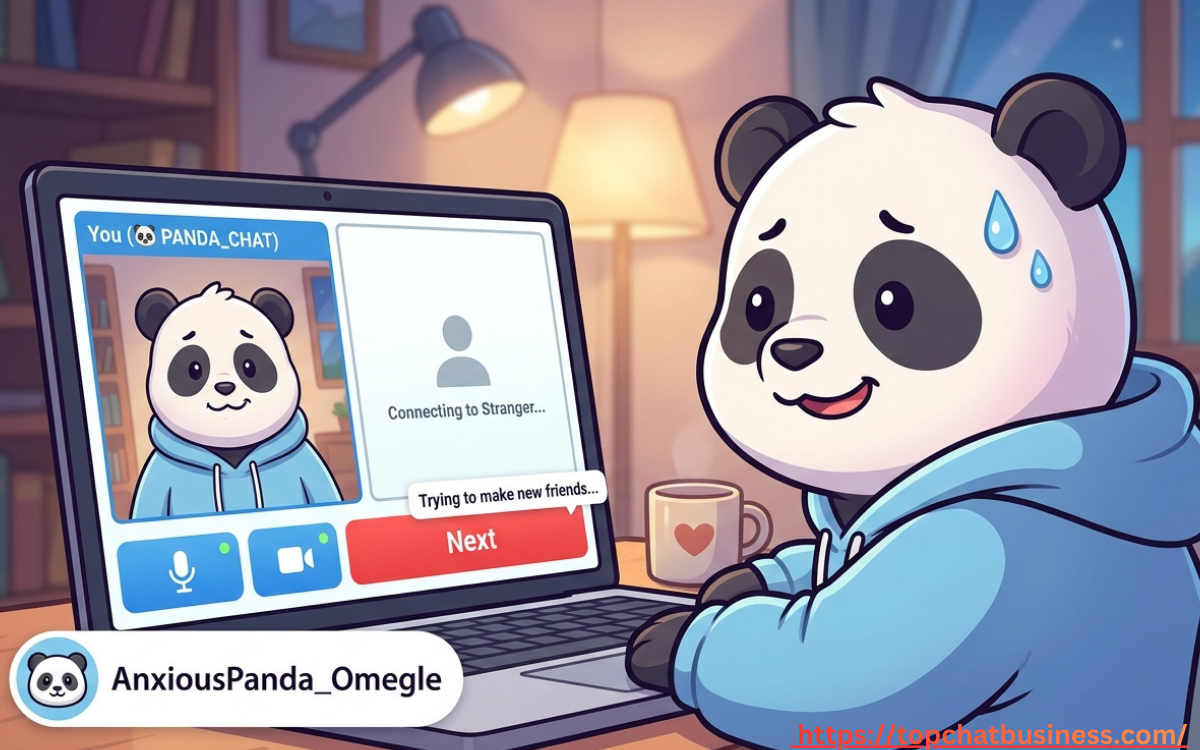
The dawn of the 2010s marked a transformative era for the internet, characterized by the rise of spontaneous, unfiltered human connection through randomized video chat platforms. Among these, Omegle stood as the undisputed titan of the “Chatroulette” genre. It was a digital wild west where one could encounter anyone from a student in Tokyo to a musician in Brazil with a single click. Within this chaotic ecosystem, certain figures transcended the anonymity of the platform to become cultural icons. One of the most enduring and enigmatic of these figures is the “Anxious Panda.”
The Anxious Panda Omegle phenomenon represents more than just a person in a costume; it serves as a case study in digital performance art, the psychology of anonymity, and the evolution of viral content in the pre-TikTok era. By donning a plush panda mask and adopting a persona defined by exaggerated social trepidation, this creator tapped into a universal relatable sentiment, turning the “Next” button into a stage for improvised comedy and human connection.
The Genesis of the Masked Stranger
To understand the Anxious Panda, one must first understand the environment of Omegle. The platform was built on the premise of “Talk to Strangers!” It provided a raw, often unpredictable stream of consciousness. For most users, the goal was simple conversation or, more frequently, a quest for shock value. However, a small subset of creators saw the platform as an experimental theater.
The Anxious Panda appeared during the peak of Omegle’s popularity. The premise was deceptively simple: a user would be paired with a person wearing a full-head panda mask. Instead of the typical “ASL?” (Age/Sex/Location) inquiry, the Panda would exhibit signs of extreme “anxiety.” This might include frantic typing, hiding from the camera, peek-a-boo antics, or holding up handwritten signs expressing nervousness about the interaction.
This subversion of expectations was the key to its success. In a space often dominated by aggressive or inappropriate behavior, the Anxious Panda offered something wholesome, mysterious, and inherently funny. It flipped the script on the power dynamic of the video chat; rather than the stranger being a threat, the Panda acted as though the user was the intimidating one.
The Psychology of the Panda: Why It Resonated
The success of the Anxious Panda on Omegle can be attributed to several psychological and social factors:
- The Power of Anonymity: The mask provided a literal barrier that allowed the performer to act out a character they might never portray in real life. Simultaneously, it protected the performer from the judgment often directed at “cam girls” or “trolls.”
- Relatability through Social Anxiety: By exaggerating social awkwardness, the Panda personified the very real anxiety many people feel when interacting with strangers online. It turned a source of stress into a source of comedy.
- Interactive Storytelling: Unlike a pre-recorded YouTube video, an Omegle encounter is a two-way street. Users became part of the “Anxious Panda” skit. Their reactions—ranging from confusion and laughter to genuine attempts to comfort the “animal”—created a unique, unrepeatable piece of content.
- The “Uncanny Valley” and Whimsy: There is an inherent charm in seeing a large, soft animal mask perform very human actions. This contrast creates a sense of whimsy that breaks the monotony of the standard Omegle experience.
The Impact on Viral Content Creation
The Anxious Panda was a precursor to the modern “personality-driven” content we see on platforms like Twitch and TikTok. Before “VTubing” (Virtual Tubing) became a multi-million dollar industry where creators use digital avatars to hide their faces, the Anxious Panda was doing it physically.
Many content creators began recording their Omegle sessions with the Panda, uploading compilations to YouTube. These videos garnered millions of views, creating a meta-narrative. Soon, people weren’t just going on Omegle to find strangers; they were going on Omegle specifically hoping to “find the Panda.” This turned the platform into a scavenger hunt, increasing user engagement and cementing the Panda’s status as a digital legend.
The “Anxious Panda” style of content also influenced how comedy was structured on social media. It relied on the “straight man” trope—the Panda was the eccentric character, and the random stranger was the “normal” person reacting to the absurdity. This formula remains a staple of prank and hidden-camera content today.
Read More: https://topchatbusiness.com/glucosamax/
The Ethical Landscape of Random Chat Platforms
While the Anxious Panda provided a bright spot in the history of Omegle, the platform itself faced significant challenges. As the years progressed, Omegle became increasingly difficult to moderate. The very anonymity that allowed the Panda to flourish also allowed for much darker interactions.
The closure of Omegle in late 2023 marked the end of an era. The founder cited the immense pressure and the misuse of the platform as primary reasons for its shutdown. In this context, the memory of the Anxious Panda serves as a reminder of the “golden age” of the platform—a time when the internet felt smaller, more experimental, and capable of producing organic, harmless joy through a simple webcam.
The Legacy of the Mask
The Anxious Panda Omegle phenomenon is a testament to the human desire for play. Even in a digital void, humans will find ways to wear masks, tell stories, and make each other laugh. The Panda wasn’t just a costume; it was a bridge between two strangers, facilitated by a lens and a bit of imagination.
As we move further into the era of AI-generated content and highly curated social media feeds, the raw, grainy footage of an Anxious Panda on Omegle feels like a nostalgic artifact. It represents a moment in time when a person could put on a mask, log on to a website, and briefly become the most famous animal on the internet, all without saying a single word.
Frequently Asked Questions (FAQs)
Q1: Who was the person behind the Anxious Panda on Omegle?
A: The identity of the original “Anxious Panda” remains largely anonymous. While several YouTubers and streamers have used panda masks on Omegle to replicate the bit, the “original” persona flourished through its mystery, which was a core part of the appeal.
Q2: Is Omegle still available to visit?
A: No. Omegle officially shut down in November 2023. The site’s founder, Leif K-Brooks, released a statement explaining that the costs and stress of maintaining the platform against misuse had become unsustainable.
Q3: Why did people like the Anxious Panda so much?
A: It was a refreshing break from the often toxic or boring nature of random video chats. The Panda offered wholesome entertainment, humor, and a sense of “finding an Easter egg” in the vast world of the internet.
Q4: Are there alternatives to Omegle where I can find similar creators?
A: There are platforms like OmeTV or Emerald Chat, but many creators have moved to more controlled environments like Twitch (specifically the “Just Chatting” category) or TikTok Live, where they can interact with fans while maintaining better moderation.
Q5: Did the Anxious Panda ever talk?
A: In most “classic” iterations, the Panda remained silent or used written signs and physical gestures to communicate. This silence added to the comedic timing and the character’s supposed “anxiety.”
Q6: Is the panda mask still a popular trope online?
A: Yes, the use of animal masks (pandas, horses, pigeons) remains a popular way for creators to maintain a level of anonymity while creating a recognizable brand. The Anxious Panda helped pioneer this “masked creator” aesthetic.
